
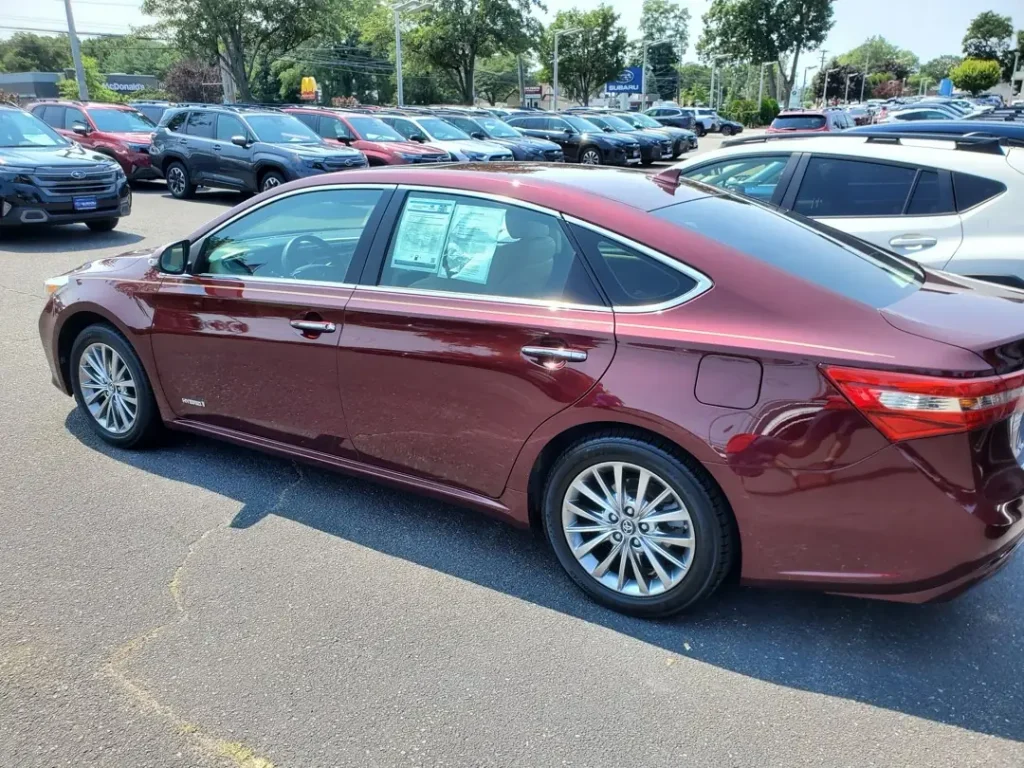
Our home page says we help with “life’s difficult decisions.” Most people picture the big, heavy ones: a marriage, a career change, a move, a diagnosis. Those are real. But we also see a lot of people who are quietly overwhelmed by decisions that look ordinary from the outside: which house, which school, which car.
Big purchases bring out anxiety in a very particular way. The money is real, the information is incomplete, and there is usually someone pushing you to decide today. Here is how we help people think them through. We will use buying a used car as the example, because almost everyone has done it, and almost everyone has lost sleep over it.
Why big purchases feel so heavy
A few well-studied patterns make these decisions harder than they need to be:
- Anticipated regret. We imagine how terrible we will feel if it goes wrong, and that imagined feeling can be stronger than the decision itself.
- Too many options. Psychologist Barry Schwartz described “maximizers,” people who feel they must find the best possible choice, and “satisficers,” who look for one that is good enough. Maximizers often end up with good results and still feel worse about them.
- Decision fatigue. After hours on listings and lots, judgment slips. That is often when people sign.
- Pressure. “Someone else is coming to see it at five.” Urgency is designed to make you skip steps.
Worry is not the same as information
This is the most important idea in this article. Anxiety tries to protect you by running worst-case scenarios over and over. It feels productive. It is not. Worry about a used car’s transmission does not tell you anything about the transmission.
Worry versus information
The same question, two very different ways of handling it.
Worry loop
- “What if it is a lemon?”
- Rereads the listing for the tenth time
- Asks five friends, gets five opinions
- Decides under pressure, or not at all
- Second-guesses for months
Information step
- “What would tell me if it is a lemon?”
- Gets the history report
- Has an independent inspection done
- Decides with facts and a walk-away number
- Moves on, whatever the outcome
When you catch yourself in the worry loop, ask one question: What would I need to know to stop worrying about this? Then go get that piece of information. If it cannot be known, accept that and decide on what you do know.
A simple framework for any big decision
- Name what matters most. Write your top three must-haves before you start looking. For a car, that might be safety, reliability and a monthly cost you can live with.
- Set a “good enough” bar. Decide in advance what would make a choice good enough. This is the antidote to endless searching.
- Set your walk-away point. A price, a problem, or a red flag that ends the conversation. Deciding it in advance, while calm, protects you from deciding it under pressure.
- Get the facts that matter. Replace the guesses you can replace with information.
- Sleep on it once. One night is usually enough. If the deal cannot survive a night, it was not a good deal.
- Decide, then stop reviewing. Re-checking a done decision feeds regret. Give yourself permission to be finished.
Applying it to a used car
With a used car, the biggest unknown is the mechanical condition. You cannot see a slow oil leak, a worn suspension part or a stored engine code by walking around the car. That gap is exactly where anxiety moves in.
The fix is an independent pre-purchase inspection, done by someone who does not work for the seller. Services like PPI Auto send a certified inspector to look the car over before you buy, including a multi-point check, a computer scan for stored codes and a road test, with a written report the same day. Whatever it finds, you get what you need: a clear yes, a no, or a list of repairs you can use to negotiate.
Notice what that does psychologically. You are no longer betting on a feeling. You are deciding on evidence, which is what lets you stop thinking about it afterward.
When indecision is a sign of something more
Everyone agonizes sometimes. It may be worth talking to someone if:
- You routinely cannot make decisions, even small ones
- You keep checking or seeking reassurance after a decision is made
- Worry about making the wrong choice is affecting your sleep, your work or your relationships
- You avoid decisions so long that the choice gets made for you
Chronic indecision is often tied to anxiety, perfectionism or depression, and all three are very treatable. Our approach is practical: we help you see the thinking patterns that keep you stuck, and practice new ones until deciding feels manageable again. Call Dr. Laird at (949) 636-2207 or Dr. Shari at (949) 581-8334.